For cross-border e-commerce sellers in the midst of their year-end sales push, the logistics network across the European continent is currently under unprecedented strain. Supply chains that should be flowing smoothly are repeatedly flashing red, with constant news of cargo delays and warehouse overflows. This issue goes beyond the timeliness of a single shipment; it directly impacts sellers' inventory health, customer satisfaction, and the success of their peak season sales. This article provides an in-depth analysis of the current state and root causes of the major logistics delays in Europe and offers practical strategies for sellers to respond.
I. Event Overview: The Severe Reality of Multi-Country Overcrowding and Network-Wide Delays
The current logistics delays in Europe are not a localized issue but a systemic congestion sweeping across major economies. According to recent industry feedback, logistics hubs centered on Germany, France, and the Netherlands are experiencing severe overcrowding.
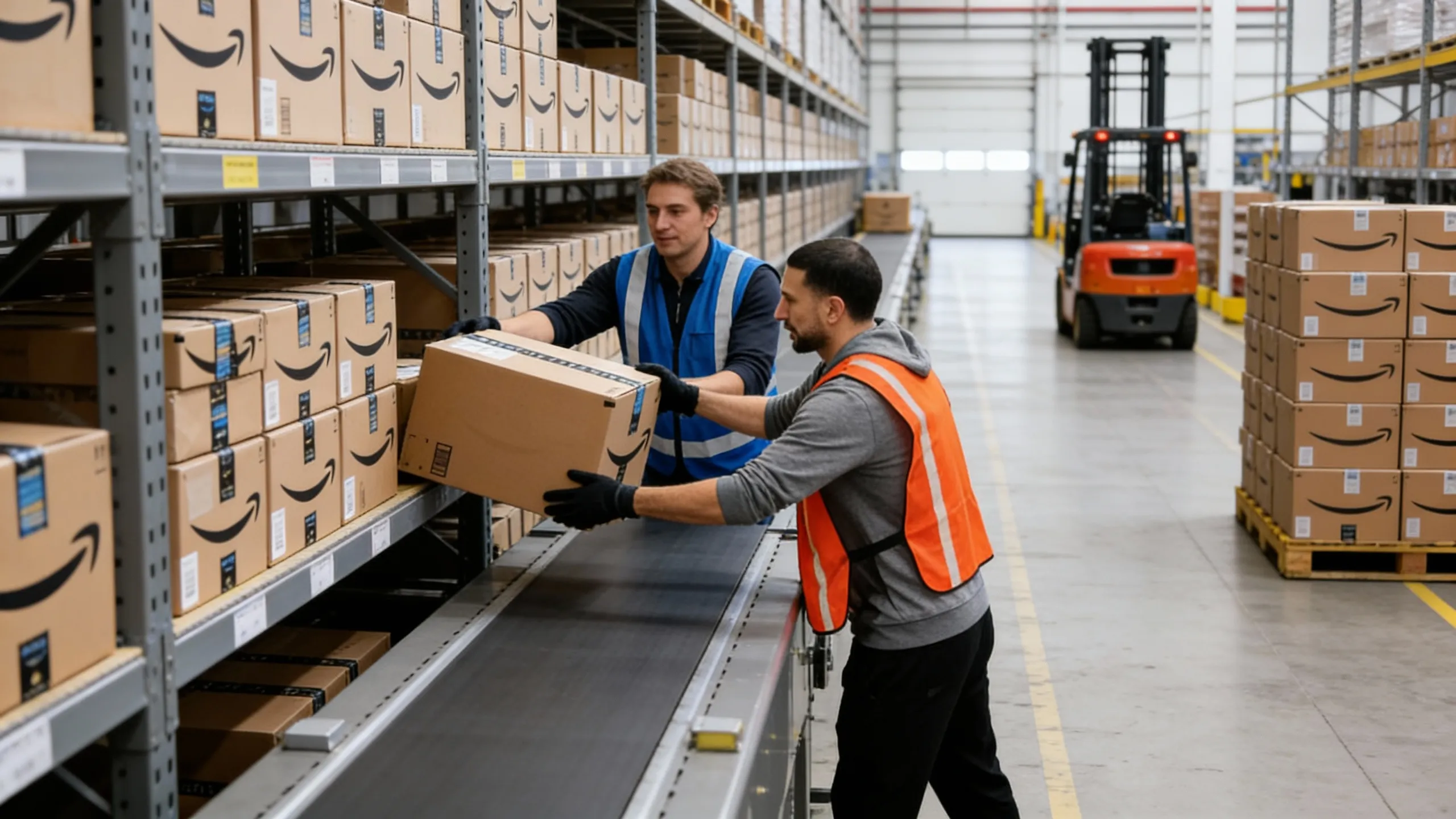
The situation in Germany is particularly critical. Reports indicate that UPS Germany has cancelled all freight bookings (storage slots) destined for Amazon FBA warehouses from December 1st to 12th, leading to a massive backlog of goods unable to enter warehouses. This not only affects local deliveries but has also impacted pre-hubs: shipments from places like Hong Kong and South Korea are facing queues of over ten days, with some cargo that arrived in Europe as early as late October still not picked up, completely missing Black Friday and now threatening the Christmas sales season.
This congestion is spreading throughout the network. Major courier warehouses, Amazon fulfilment centres and overseas warehouses in France and the Netherlands are experiencing varying degrees of overload. This is leading to widespread delays of two to five business days in all stages of package scanning, pick-up and delivery. In an attempt to alleviate pressure in Germany, some shipments have been diverted to the Netherlands and France. However, this has exacerbated congestion at these alternative nodes, creating a vicious cycle.
|
Estimated Current Lead Times for Major European Logistics Channels (vs. Normal Periods)
|
|
Channel
|
Current Estimated Lead Time
|
Normal Lead Time
|
Key Delay Points
|
|
UPS/CourierDelivery
|
Express 7-10 days, Standard 15-20 days
|
3-7 days
|
Hub overcrowding, slow last-mile delivery
|
|
Cartage by Road
|
Pickup approx. 20-25 days
|
14-18 days
|
Border truck changes/queues, difficult warehouse appointment scheduling
|
|
Rail
|
Fast Rail 23-28 days, Standard Rail 30-35 days
|
18-25 days
|
Vehicle shortage at transit points (e.g., Poland)
|
|
Sea Freight
|
Warehouse hand-in 45-60 days
|
35-45 days
|
Port processing & last-mile warehouse entry delays
|
II. In-Depth Analysis: The Dual Squeeze of Peak Season Pressure and Network Fragility
This large-scale delay is the result of combined seasonal peak pressure and the inherent fragility of the logistics network.
Immediate Trigger: Historic Peak Season Surge in Volume
The Q4 "Black Friday," "Cyber Monday," and Christmas shopping season have always been peak volume periods for European e-commerce. This year, concentrated consumer demand release has led to inbound warehouse volumes far exceeding the normal capacity of the logistics system. This sudden surge in volume directly overwhelms the operational limits of sorting centers, transport fleets, and last-mile warehouses, creating comprehensive congestion from trunk lines to the last mile.
Underlying Cause: Rigid Insufficiency of Capacity & Infrastructure
The surface issue is "too much cargo"; the deeper problem is "insufficient resources." The peak season exposes the rigid limitations of the European logistics system in capacity, labor, and infrastructure:
Capacity Ceiling: Air cargo space and trucking fleets cannot double with demand in the short term, causing cargo to queue at hubs waiting for resources.
Labor Shortage: Warehouse handling, loading/unloading, and delivery are highly labor-dependent. Peak season temporary hiring cannot fill gaps in time, reducing operational efficiency.
Insufficient Network Redundancy: When major hubs like Germany fail, diversion paths are limited, easily causing secondary congestion at alternative ports, indicating the logistics network lacks the elasticity to handle sudden blockages.
Chain Reaction Risk: From Logistics Delay to Business Loss
The cost of delay far exceeds freight charges. For sellers, this means:
Stock-Outs: In-transit inventory cannot be listed for sale in time, leading to listing deactivation, ranking drops, and wasted prior marketing investment.
Deteriorating Customer Experience: Indefinite parcel delivery times will directly trigger high rates of customer complaints, returns, and negative reviews, damaging brand reputation.
Financial pressure: Delayed goods may incur additional storage and container demurrage fees, while tying up a large amount of working capital.
III. LOADSTAR SHIPPING Professional Advice: Combine Emergency Response with Long-Term Planning
Faced with this crisis, passive waiting is not an option. We recommend sellers adopt a combined strategy of "Short-Term Response + Long-Term Immunity" to maximize supply chain stability.
Immediate Emergency Action Plan
a. Comprehensive Verification & Transparent Communication:
· Act Now: Immediately verify the status of all cargo in transit to Europe, accurately pinpointing its location (e.g., "Awaiting port pickup," "Queuing at hub," "Out for delivery").
· Proactive Communication: Proactively update your customers on logistics expectations, providing transparent explanations for delays. Consider maintaining customer relationships through measures like offering coupons to reduce refunds and negative reviews.
b. Activate Alternative Channels & Solutions:
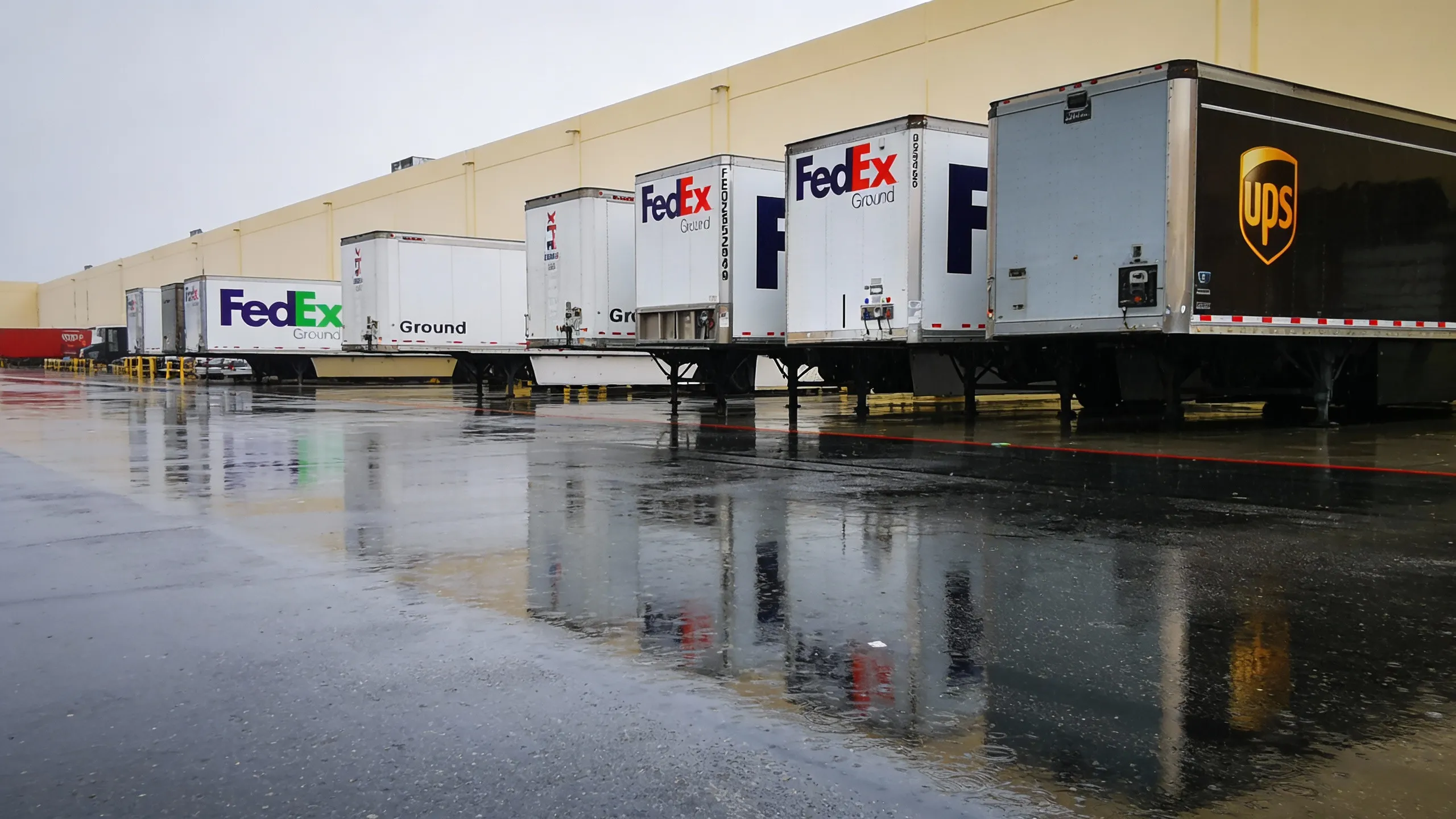
· Channel Switch: For high-priority, urgently needed replenishment stock, immediately consult with your logistics provider to explore the possibility of switching some cargo from overcrowded channels like UPS to alternative courier networks with relatively better current handling capacity, such as DHL or FedEx.
· Route Adjustment: Work closely with your LOADSTAR SHIPPING account manager to assess the feasibility of using "Overseas Warehouse Transshipment." This involves first sending goods to a less congested third-party overseas warehouse for unloading, then using local cartage for delivery to Amazon FBA, bypassing courier hub congestion.
Long-Term Planning for Future Immunity
a. Sales Forecasting & Intelligent Stock Preparation:
· Based on historical sales data and market trends, more accurately forecast peak season demand and front-load stock preparation plans. LOADSTAR SHIPPING Perspective: We can assist you in analyzing historical logistics data, suggesting you advance your stock preparation cycle by at least 15-30 days to smooth out transportation peaks.
b. Supply Chain Diversification & Resilient Layout:
· Multiple Logistics Partners & Channels: Avoid over-reliance on a single courier company. Establish a multi-channel portfolio including air freight, fast sea, cartage by road, and rail to spread risk.
· Overseas Warehouse Pre-positioning & Transshipment: Use "Overseas Warehousing" as an elastic buffer for your supply chain. Bulk-prepare goods in European local overseas warehouses before the peak season to enable fast transshipment and replenishment, calmly handling FBA intake delays or restrictions. LOADSTAR SHIPPING Perspective: Our European overseas warehouse network can provide you with a one-stop solution for stock preparation, cross-docking, and last-mile delivery, making inventory management more flexible.
c. Choosing a Partner with Holistic Control Capability:
· This incident proves that a valuable logistics partner provides more than just transportation; they also possess a global perspective, localised operational capabilities and emergency resources. What you need is a service provider that can offer early risk warnings, flexible scheduling across multiple ports and channels, and a robust overseas agent network. You need a service provider that can offer early risk warnings, flexible scheduling across multiple ports and channels, and a robust overseas agent network.

LOADSTAR SHIPPING Conclusion: Volatility in the logistics market is constant, but crises also test the resilience of supply chains and the value of partners. The current delay predicament reveals the fragility of solely pursuing low prices and fixed routes. We recommend sellers view this experience as an opportunity to optimize their supply chain, shifting from "passive reaction" to "active design." By partnering with a company like LOADSTAR SHIPPING, which possesses deep network insight and flexible execution capabilities, you can jointly build an intelligent supply chain system that is more resistant to turbulence and supports long-term business growth.