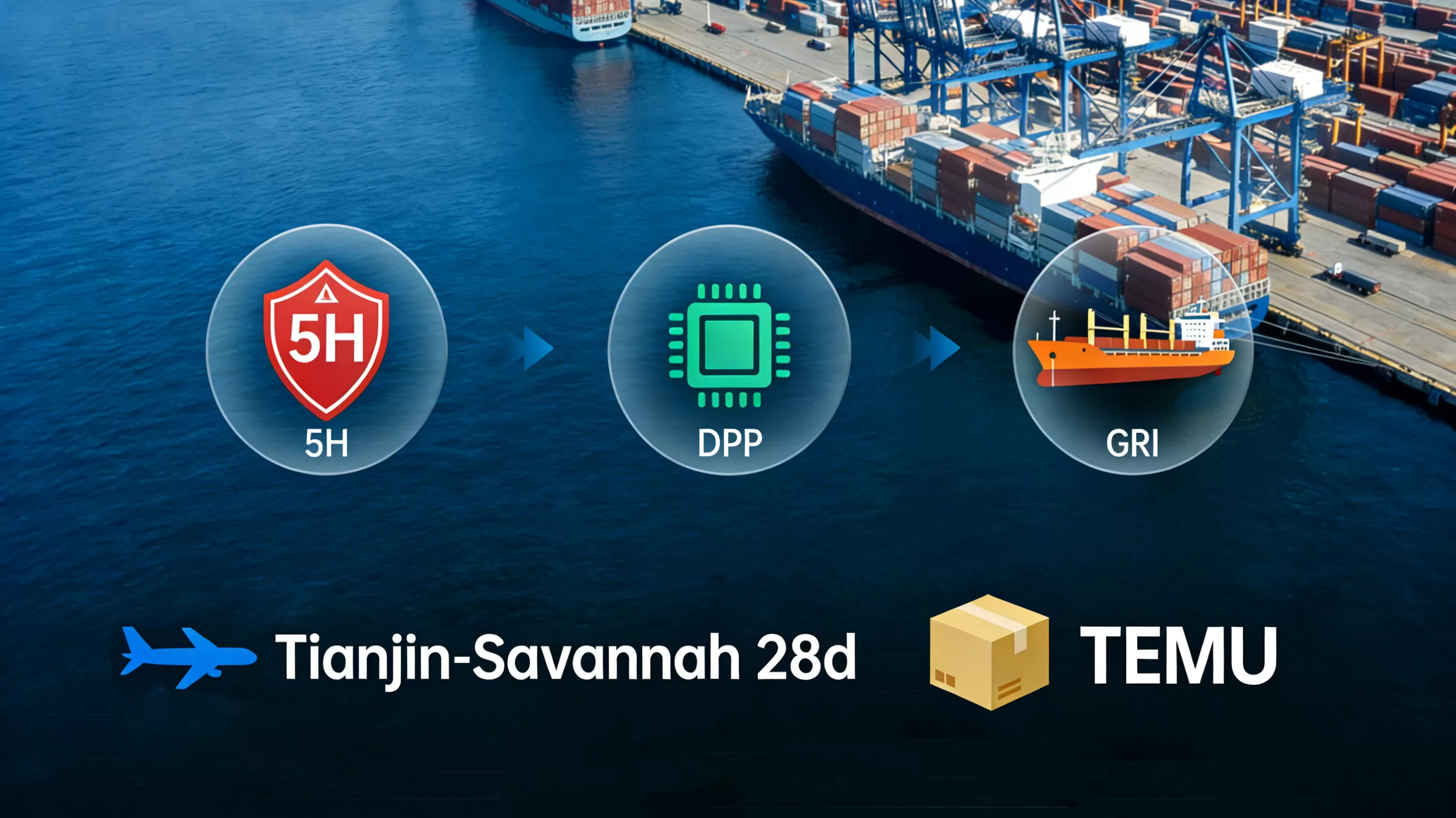
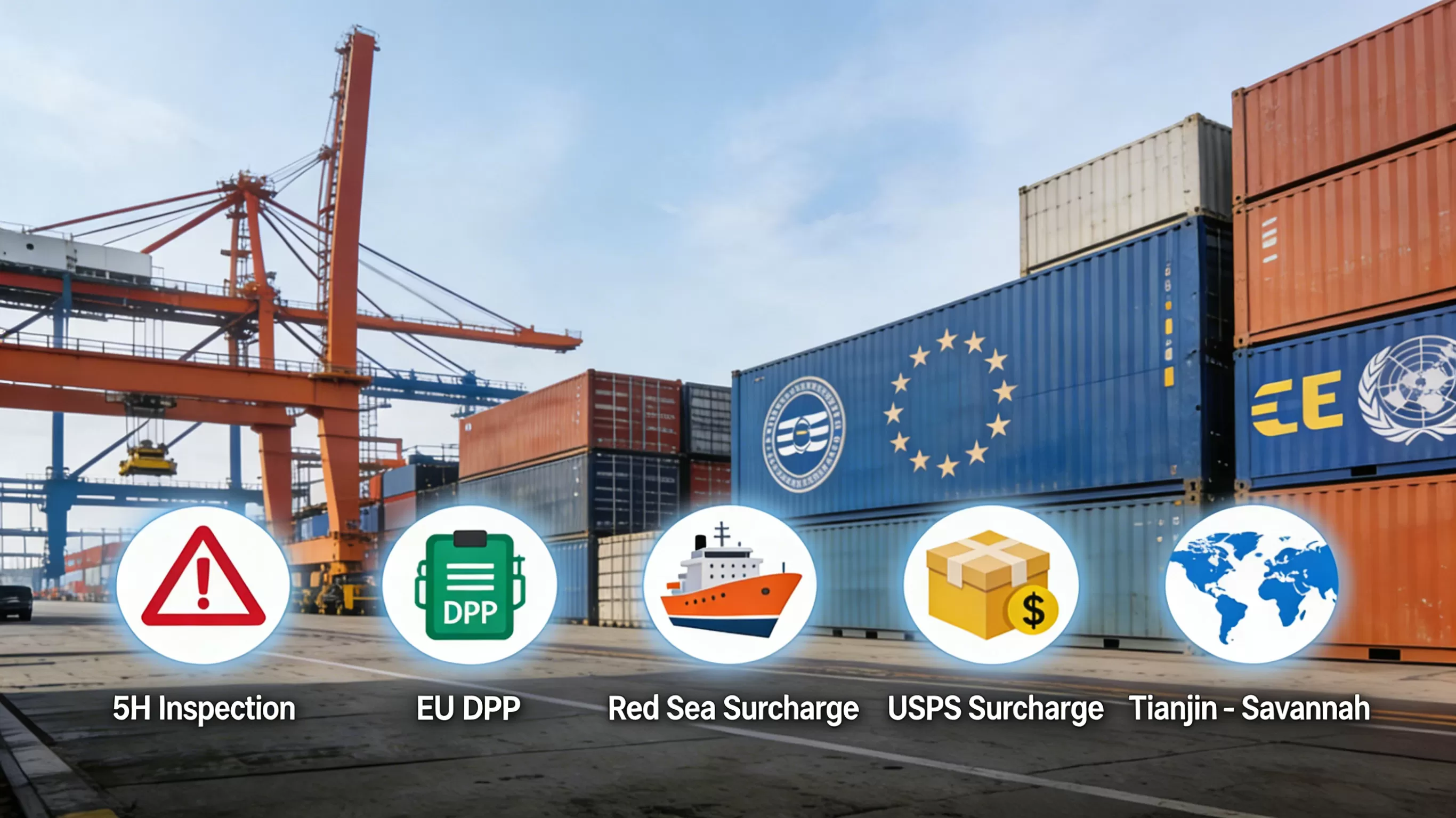
At LOADSTAR SHIPPING, transparency and collaboration are at the core of everything we do. That's why we believe it is crucial to offer an objective and timely analysis of the recent regulatory shifts in U.S. import enforcement. Since the beginning of 2026, U.S. Customs and Border Protection (CBP) has rolled out a specialized unit — "Fast Doc Review" — along with the stringent "5H" inspection code, marking a significant escalation in enforcement intensity. The result? Thousands of Chinese containers have been forced into re-export, causing widespread disruption across the cross-border supply chain. In the following analysis, we break down what "5H" truly entails, explore its far-reaching implications for importers and logistics providers, and outline the responsible, proactive steps LOADSTAR SHIPPING is taking to navigate this new regulatory landscape alongside our clients.
——————————————————————————————————————————————————————————————————————————————————————
🔍 Understanding the "5H" Inspection
A common misconception is that "5H" primarily targets undervalued shipments. However, the Fast Doc Review unit is focused on a more fundamental issue: trade authenticity verification.
Importers may now be required to furnish:
· Purchase contracts with Chinese factories
· Domestic transport documentation within China
· Bank records proving payment between U.S. buyer and Chinese seller
· Evidence of the U.S. importer's business registration and physical operations
· Identification documents for the importer's legal representative
CBP's new protocol follows a strict sequence: first verify the trading parties, then examine the goods; first review documents, then conduct inspections.
A determination of insufficient or questionable documentation leads directly to physical inspection and can result in mandatory re-export — with no opportunity to cure deficiencies or appeal. This entire determination can occur within 3 to 5 days.
💰 The Financial Impact
Consider a standard 40-foot container with an average cargo value of $100,000. A "5H" flag leading to re-export generates:
❌ Outbound ocean freight: $3,000
❌ Return ocean freight: $3,000
❌ Accumulating demurrage and detention fees: potentially thousands of dollars
❌ Lost revenue from unavailable inventory: potentially catastrophic
Total direct losses frequently exceed $10,000 per container, excluding long-term business disruption.
The risk is magnified for LCL shipments. A single container may hold goods from multiple sellers; if any one participant's documentation fails scrutiny, the entire consignment is subject to rejection.
📊 Industry-Wide Ramifications
"5H" examination rates at the ports of Los Angeles and Long Beach have increased threefold
Significant impacts are also reported at inland ports including Baltimore, Seattle, and Detroit
Operational workarounds, such as devanning containers at bonded warehouses for per-shipment clearance, have extended typical delivery timelines from 3 days to as many as 3 weeks
Industry observers anticipate a coming wave of forwarder insolvencies as liability for re-export costs falls on unprepared intermediaries
✅ Strategic Responses for Sellers
Immediate Priorities:
1. Ensure absolute document precision — product attributes (descriptions, models, materials, intended uses) must align flawlessly across all paperwork
2. Validate importer legitimacy — confirm your importer of record is a bona fide U.S. business with physical operations, not merely a bond holder
3. Reassess logistics partnerships — prioritize providers with demonstrated compliance records and stable operational histories
Long-Term Strategic Imperatives:
1. Develop robust importer infrastructure — consider establishing your own U.S. entity or forging relationships with thoroughly vetted domestic importers
2. Cultivate supply chain transparency — maintain a complete, auditable trail from factory procurement through to final customer delivery
3. Diversify risk exposure — avoid over-reliance on single logistics channels or importers
🚢 LOADSTAR SHIPPING's Proactive Approach
In this evolving regulatory environment, LOADSTAR SHIPPING reaffirms its commitment to compliance-led partnership:
✅ Strengthened pre-shipment verification — our compliance team conducts rigorous document reviews emphasizing procurement evidence and importer validity prior to shipment
✅ Curated importer network — we partner exclusively with importers that maintain physical operations and verifiable compliance histories
✅ Real-time regulatory intelligence — we provide clients with immediate updates and practical guidance to preempt compliance risks
✅ Unwavering commitment to integrity — we reject shortcuts and speculative practices, instead building resilient, transparent supply chains in collaboration with our clients
We are convinced that enduring success in this new era belongs to those who embed compliance into their fundamental business practices.
For personalized guidance on navigating "5H" and other regulatory developments, please contact our team.